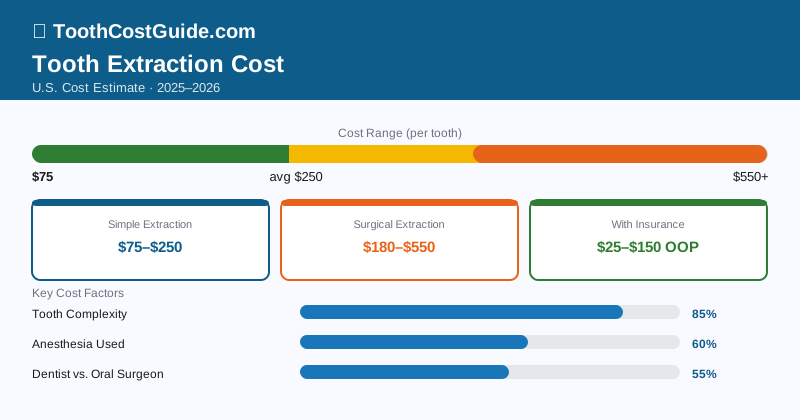
A simple tooth extraction costs $75–$250 per tooth without insurance; a surgical extraction runs $180–$550. The difference comes down to whether the tooth can be removed intact with forceps or requires cutting gum tissue and removing bone to access it. With dental insurance covering oral surgery at 50–80%, most patients pay $40–$200 out of pocket.
| Extraction Type | Cost Per Tooth (No Insurance) |
|---|---|
| Simple extraction (erupted tooth, local anesthesia) | $75–$250 |
| Surgical extraction (soft tissue, impacted) | $180–$400 |
| Surgical extraction (bony impaction) | $280–$550 |
| Wisdom tooth – erupted | $225–$400 |
| Wisdom tooth – impacted | $400–$1,100 |
| Nitrous oxide (add-on) | $50–$150 |
| IV sedation (add-on) | $400–$800 |
| Post-extraction bone graft (for future implant) | $300–$800 |
What Affects the Cost of a Tooth Extraction
Simple vs. surgical. The most fundamental cost distinction. A simple extraction applies to a fully erupted tooth with an intact root that can be loosened and removed with dental elevators and forceps. A surgical extraction is required when a tooth is broken at or below the gumline, has curved or multiple roots making forceps removal impossible, or is impacted beneath bone. Surgical extractions involve incisions, possible bone removal, and sutures.
Which tooth is being removed. Front teeth have a single, straight root — easiest to extract. Back molars have multiple roots that may be curved, requiring more effort to loosen each root separately. Premolars fall in between. Dentists price extractions higher for molars in many fee schedules.
Broken or compromised teeth. A tooth that has snapped at the gumline due to decay, a failed root canal, or trauma often requires surgical technique even if it isn’t impacted. The dentist must cut down to the root and may need to section it to remove it without fracturing the remaining jaw structure.
Whether sedation is needed. Simple extractions require only local anesthesia (included in the base fee). Anxious patients or those undergoing multiple extractions in one visit may opt for nitrous oxide ($50–$150) or IV sedation ($400–$800).
Extraction is rarely the cheapest option when you factor in replacement. A $150 extraction followed by a $3,000–$6,000 implant costs far more long-term than a $1,200 root canal and $1,000 crown to save the original tooth. Always ask your dentist whether the tooth can be saved before agreeing to extraction.
Cost by Extraction Type
Simple extraction ($75–$250): The tooth is fully erupted with visible crown structure. The dentist uses a local anesthetic, loosens the tooth with elevators, and removes it with forceps. Takes 5–20 minutes. Healing is straightforward with minimal complications when post-extraction care instructions are followed.
Surgical extraction ($180–$550): Requires incision into gum tissue, possible removal of surrounding bone, and often sectioning the tooth into multiple pieces for removal. Sutures are typically placed. Recovery is longer than a simple extraction — 3–5 days of significant soreness vs. 1–2 days for simple. Examples: broken-off teeth, teeth with curved roots, and all impacted wisdom teeth.
Emergency extraction: When a tooth is infected and the patient presents with pain or swelling, many dentists triage the visit as an emergency exam first ($75–$150) and then perform the extraction. The combined cost of emergency visit plus extraction runs $200–$600.
Multiple extractions in one visit: Getting several teeth out at once is more cost-effective than separate appointments. Some dentists apply a per-tooth discount for 3 or more extractions in a single session. IV sedation divided across multiple teeth also becomes more economical.
With vs. Without Dental Insurance
Dental insurance classifies extractions as either basic or oral surgery, depending on complexity.
Typical coverage:
- Simple extraction: Covered at 70–80% under basic surgical benefits
- Surgical extraction: Covered at 50–80% under major/oral surgery benefits
- Annual deductible: $50–$100
- IV sedation: Covered by some plans for complex cases; check your specific plan
Out-of-pocket example for a surgical extraction:
- Surgical extraction fee: $350
- Insurance pays 70%: $245
- Patient pays: $105 + any unmet deductible
Without insurance:
- Single simple extraction: $75–$250 — affordable for most patients
- Surgical molar: $350–$550 — more significant but manageable
- Multiple surgical extractions: $800–$2,000+ — may warrant a discount plan or financing
How to Save Money on Tooth Extractions
Dental school oral surgery clinics. All dental schools with oral surgery programs perform extractions — including complex surgical cases — at significant discounts. Simple extractions may run $30–$75; surgical cases $100–$300. Faculty oral surgeons supervise resident dentists throughout the procedure.
Negotiate a cash or self-pay rate. Many private dental offices and oral surgery practices will reduce fees by 5–20% for patients paying at the time of service without going through insurance billing. This discounts their administrative overhead. Ask: “Do you offer a self-pay or cash discount?”
Community health centers. Federally Qualified Health Centers (FQHCs) offer extractions on a sliding-scale fee based on income. For qualifying patients, this can mean $20–$80 per extraction. Use HRSA’s health center locator at findahealthcenter.hrsa.gov.
Don’t add unnecessary sedation. For a single simple extraction, local anesthesia is fully adequate. Many patients request nitrous oxide out of anxiety but find the procedure is quick and tolerable with just the numbing injection. Skipping nitrous saves $50–$150.
If you’re having a tooth extracted and might want an implant in the future, ask your dentist about a socket preservation bone graft ($300–$800) at the time of extraction. Placing graft material in the empty socket maintains bone volume for a later implant, avoiding a more complex and expensive bone grafting procedure down the road.
Financing Options
Single extractions are typically affordable enough to pay directly. Multiple extractions or surgical cases with sedation can run $600–$2,000, where financing helps.
CareCredit: Available at most dental and oral surgery offices. 0% promotional periods of 6–12 months for qualifying amounts. Standard deferred interest caution applies — pay off before the promotional period or interest accrues retroactively.
Community health centers: These sliding-scale clinics often have on-site payment plan arrangements for patients who qualify for reduced fees but still can’t pay upfront.
FSA/HSA: Extractions are eligible HSA/FSA expenses. Using pre-tax funds effectively reduces the real cost by 22–37%.
Dental discount plans: If you’re uninsured and need an extraction, a $99/year discount plan (like Aetna Dental Access or Careington 500) can provide 20–35% off extraction fees with minimal waiting period. The plan pays for itself with a single extraction.
Bottom Line
Tooth extraction costs $75–$250 for simple cases and $180–$550 for surgical ones. IV sedation can add significantly to the total. With insurance, most patients pay $40–$200 out of pocket. Without insurance, simple extractions are affordable for most; surgical extractions or multiple teeth may warrant a discount plan or payment arrangement.
Most importantly: ask your dentist whether the tooth can be saved before agreeing to extraction. Losing a tooth without a replacement plan creates long-term problems including bone loss, shifting of neighboring teeth, and bite issues that are expensive to correct.
Always get a written treatment plan before agreeing to any dental work. Before extraction, ask specifically whether the tooth could be saved with a root canal and crown, what the total long-term cost difference is, and what replacement options (implant, bridge, denture) are available if you proceed with removal.