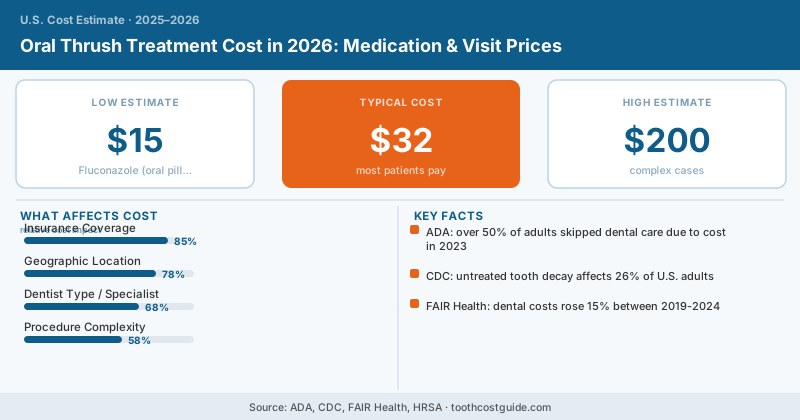
What does it cost to clear up oral thrush? For most people, less than $100 — a quick exam plus a course of antifungal medication. But the answer shifts depending on which drug you need, whether you’re uninsured, and whether the thrush keeps coming back. Let’s run the numbers.
Cost Breakdown
| Item | Typical Cost (No Insurance) |
|---|---|
| Dental or doctor exam | $75–$200 |
| Nystatin oral suspension | $20–$60 |
| Clotrimazole lozenges | $25–$80 |
| Fluconazole (oral pill course) | $15–$50 |
| Miconazole oral gel | $30–$90 |
| Lab swab/culture (if needed) | $50–$150 |
What Oral Thrush Is
Oral thrush is an overgrowth of Candida yeast in the mouth — those creamy white patches on the tongue, inner cheeks, or roof of the mouth that can wipe off and leave a red, sore spot. It’s a fungal infection, not a bacterial one, so it needs antifungal medication, not antibiotics.
It tends to hit people whose natural defenses are off-balance: denture wearers, infants, older adults, those on inhaled steroids for asthma, people with diabetes, and anyone whose immune system is suppressed. According to the CDC, Candida is a common cause of mucosal infections, and oral thrush is one of its most frequent presentations.
The visit confirms the diagnosis, but the cure is the antifungal. Nystatin “swish and swallow” suspension ($20–$60) is the classic first-line treatment — you swish it around your mouth several times a day. For tougher cases, a fluconazole pill course ($15–$50) works systemically. Most thrush clears in 7 to 14 days once treatment starts.
Why You Shouldn’t Just Wait It Out
Unlike a canker sore, thrush rarely resolves on its own — the yeast overgrowth needs to be actively knocked back. Left untreated, it can spread to the esophagus and make swallowing painful, which turns a cheap fix into a much bigger problem. The medication is the affordable path.
And don’t try to scrub the patches off, either. Wiping them away leaves a raw, sometimes bleeding spot, and the yeast is still there underneath — you’ve just irritated your mouth without killing anything. The antifungal does the real work from the inside. A few extra days of swishing is faster and far less painful than picking at it.
Finding the Trigger Matters
If thrush keeps returning, treating the patches over and over wastes money. The real spend is on the underlying cause:
- Denture wearers: Thrush often hides under poorly cleaned or ill-fitting dentures. Proper cleaning and a reline or refit stops the cycle.
- Inhaler users: Rinsing your mouth after every puff of a steroid inhaler prevents most cases — free.
- Dry mouth: Reduced saliva lets yeast flourish. Managing dry mouth tackles the root issue.
- Undiagnosed diabetes: Recurrent thrush can be an early flag. A blood-sugar check is worth it.
Insurance and Saving Money
If you go through a physician, oral thrush treatment usually runs through your medical insurance, with a copay for the visit and the prescription. Through a dentist, the diagnostic exam may fall under dental coverage at 80–100%. The medications themselves are generally inexpensive, especially generics like nystatin and fluconazole.
Uninsured? Generic antifungals are cheap at most pharmacies, and discount drug cards can cut the price further. For broader savings on dental visits, a dental savings plan helps. If you’re a denture wearer dealing with recurring thrush, keeping up with regular cleanings — see scaling and root planing for gum care pricing — supports overall mouth health. And our how dental insurance works guide explains what’s covered where.
Thrush that spreads down your throat causing painful or difficult swallowing, or thrush in someone with a weakened immune system, needs prompt medical attention — it can become invasive. Don’t tough it out. See our dental emergency cost guide if you need urgent care.
Bottom Line
Oral thrush is one of the cheaper oral conditions to treat — typically $90 to $250 all-in for a visit and medication. The bigger investment for chronic sufferers is fixing the trigger, whether that’s denture care, inhaler technique, or a blood-sugar check.
Frequently Asked Questions
Most patients pay $95–$260 total: a dental or doctor exam ($75–$200) plus antifungal medication ($20–$80 depending on the drug). Nystatin oral suspension is typically the most affordable option at $20–$60, while clotrimazole lozenges run $25–$80.
Most dental and health insurance plans cover the exam and prescription antifungals, though you'll typically pay a copay of $15–$50 for the visit and $5–$25 per prescription. Some plans may exclude certain antifungal medications or require prior authorization, so check your formulary before your appointment.
Most patients see improvement within 3–5 days of starting antifungal medication, with complete resolution in 1–2 weeks of treatment. Nystatin suspension requires multiple daily doses throughout the day, while clotrimazole lozenges and fluconazole pills offer more convenient dosing schedules.