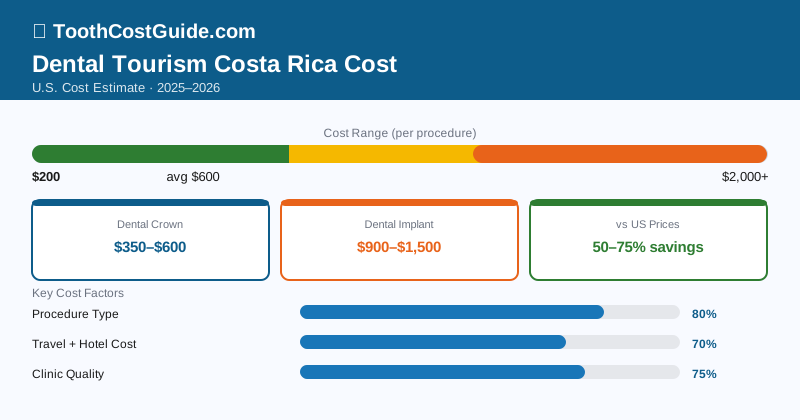
Costa Rica is the top dental tourism destination outside of Mexico for Americans, offering 45–65% savings on most procedures in a stable, English-friendly country with a strong healthcare reputation. The combination of US-trained dentists, modern facilities, and low operating costs makes it a compelling option for patients needing major dental work.
| Procedure | US Average | Costa Rica Average | Savings |
|---|---|---|---|
| Dental implant (single, full) | $4,000–$5,500 | $1,400–$2,200 | 50–65% |
| Porcelain crown | $1,200–$1,800 | $450–$700 | 55–65% |
| All-on-4 (one arch) | $25,000–$35,000 | $10,000–$16,000 | 50–60% |
| Root canal (molar) | $1,200–$1,800 | $400–$600 | 55–65% |
| Porcelain veneers (per tooth) | $1,200–$2,500 | $450–$750 | 55–70% |
| Full dentures (one arch) | $1,500–$3,500 | $700–$1,400 | 50–60% |
| Teeth cleaning + exam | $150–$300 | $50–$100 | 60–70% |
| Composite filling | $150–$300 | $50–$100 | 60–70% |
| Bone graft (per site) | $1,500–$3,000 | $600–$1,200 | 55–65% |
How It Works
Costa Rica’s dental tourism infrastructure is centered in the Greater Metropolitan Area of San José, particularly in the upscale suburbs of Escazú, San Rafael de Escazú, and Rohrmoser. These areas host the majority of established dental tourism clinics catering to international patients.
Why Costa Rica works for dental tourism:
- Costa Rican dentists train at the University of Costa Rica (UCR) dental school, which maintains rigorous standards. Many senior dentists also completed residency training in the US, Spain, or Germany.
- The country’s healthcare system (Caja Costarricense de Seguro Social) maintains high medical standards overall.
- English fluency is very high among dental professionals in tourist-oriented clinics.
- Political stability, low crime in tourist zones, and excellent infrastructure distinguish Costa Rica from some other dental tourism markets.
- Round-trip flights from US East Coast: $400–$700. From the West Coast or Midwest: $500–$900. Flight time: 3–5.5 hours.
Typical travel itinerary for major dental work: Fly in Sunday, consultation and new X-rays Monday, major procedures Tuesday–Thursday, rest and minor adjustments Friday, fly home Saturday. Full-arch implant work (All-on-4) typically requires two trips: implant placement on trip 1, permanent restoration placement 4–6 months later on trip 2.
Costs & Savings Details
Real cost example — 4 crowns + 2 root canals:
- US price: 4 crowns × $1,500 + 2 root canals × $1,400 = $8,800
- Costa Rica price: 4 × $600 + 2 × $500 = $3,400
- Round-trip flight (East Coast): $600
- Hotel (4 nights at $80/night): $320
- Total Costa Rica all-in: $4,320
- Savings: $4,480 (51%)
Real cost example — All-on-4 full arch:
- US price: $28,000–$32,000
- Costa Rica price: $12,000–$15,000 (for top-tier clinic with Nobel Biocare implants)
- 2 trips: flights × 2 = $1,200, hotels × 8 nights = $640
- Total Costa Rica all-in: ~$14,000–$17,000
- Savings: $11,000–$18,000
Top-rated clinic zones: Escazú is the most concentrated area for quality English-friendly dental clinics. It’s also a safe, upscale neighborhood with many hotel options at $60–$120/night.
Eligibility / Who Qualifies
No special eligibility. Any US citizen can travel to Costa Rica for dental care. Considerations:
- US passport required (no visa needed for stays under 90 days)
- No special medical certification required for basic to moderate dental work
- Patients with significant medical conditions (uncontrolled diabetes, bleeding disorders, recent cardiac events) should discuss their health history thoroughly with the Costa Rican clinic before traveling
Pros and Cons
Pros
- 45–65% savings on most procedures
- Highly trained, often US-educated dentists
- Beautiful destination — can combine dental care with vacation
- English-speaking staff at most tourist dental clinics
- Modern facilities with digital X-rays, CBCT scanners, in-house dental labs
- Strong patient reviews across many established clinics
- More stable infrastructure than some other dental tourism destinations
Cons
- Longer travel time and higher cost than Mexico border towns
- Requires full trip planning (flights, accommodation, multiple days)
- Complications require returning to Costa Rica or paying US prices domestically
- Multi-stage procedures (implants) require 2 separate trips 4–6 months apart
- Currency and transaction logistics (US credit cards widely accepted, but verify)
Research clinics thoroughly before booking. The best Costa Rica dental clinics for American patients have active Google Business profiles with 100+ English-language reviews, documented before/after cases, and clear communication about credentials and materials used. Avoid clinics that don’t respond to email inquiries promptly or can’t provide references from US patients.
Step-by-Step Guide
Identify your treatment needs and total US cost: Get a written, itemized treatment plan from your US dentist with CDT codes and fees. This is your comparison baseline.
Research Costa Rica clinics: Search Google Reviews for dental clinics in Escazú or San José. Look for: 4.7+ stars, 100+ reviews, English-language reviews from US/Canadian patients, response to reviews, before/after photos. Forums like Dental Town and Reddit’s r/DentalTourism have threads specifically about Costa Rica clinics.
Contact 2–3 clinics for quotes: Email your treatment list and any X-rays (or share via Dropbox/Google Drive). Ask for itemized quotes in USD. A reputable clinic will respond within 24–48 hours with detailed information.
Book a virtual consultation: Most established clinics offer free video consultations. This assesses your case, allows you to evaluate the dentist, and confirms the treatment plan before you book flights.
Book flights and accommodation: San José’s Juan Santamaría International Airport (SJO) is the main entry point. Book flights through major carriers (American, Delta, United, LATAM, Spirit). Escazú has numerous hotels at $60–$150/night; many dental clinics can recommend nearby options.
Travel with your records: Bring your US dentist’s X-rays if recent (within 6 months), your medical history, and a complete medication list. Your Costa Rica clinic will take new CBCT images upon arrival.
Confirm written treatment summary before leaving: Before your return flight, ensure you have: a written summary of all work completed, the brand and lot numbers of any implants placed, the warranty terms, and the dentist’s direct email for any post-treatment questions.
Schedule a check-in appointment with your US dentist within 2 weeks of returning from Costa Rica. Your US dentist can take X-rays to confirm the work looks right, address any concerns early, and have your records updated. This provides peace of mind and ensures you have a local provider who knows your treatment history if a complication arises.
Bottom Line
Costa Rica is an excellent dental tourism destination for Americans willing to travel for major savings. The combination of skilled, often US-trained dentists, modern clinics, and 50–65% cost savings makes it particularly attractive for procedures like crowns, implants, veneers, and full-arch restorations. The key to a successful experience is thorough clinic research, clear communication, and realistic expectations about multi-trip procedures. For Americans in the Southeast and Northeast facing large dental bills, the 4-5 hour flight to San José makes total economic sense.