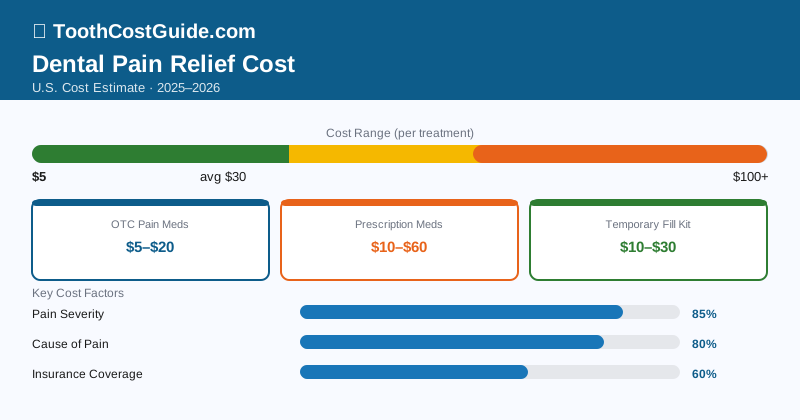
Dental pain relief costs $5–$30 for effective over-the-counter options, or $10–$60 for prescription medications. The most effective OTC combination — ibuprofen plus acetaminophen taken together — rivals prescription pain medication for most dental pain and costs under $20. This guide covers every pain relief option from OTC to prescription, their real costs, and how to maximize relief while you arrange dental treatment.
| Pain Relief Option | Cost | Effectiveness | Availability |
|---|---|---|---|
| Ibuprofen 200 mg tabs (OTC) | $6–$12 | High (reduces inflammation) | Any pharmacy |
| Acetaminophen 500 mg tabs (OTC) | $5–$10 | Moderate-high | Any pharmacy |
| Ibuprofen + acetaminophen combo | $11–$22 | Very high | Any pharmacy |
| Clove oil / eugenol (topical) | $8–$15 | High for exposed nerves | Pharmacy/health store |
| Benzocaine gel (Orajel, Anbesol) | $8–$15 | Moderate (short-acting) | Any pharmacy |
| Prescription ibuprofen 800 mg | $10–$25 (GoodRx) | High | Prescription required |
| Acetaminophen w/ codeine (Tylenol #3) | $15–$40 (GoodRx) | High | Prescription required |
| Hydrocodone/acetaminophen (Norco) | $20–$60 (GoodRx) | Very high | Prescription required |
| Dexamethasone (prescription) | $10–$30 (GoodRx) | High (reduces swelling) | Prescription required |
What Affects the Cost
OTC vs. prescription. All OTC options are inexpensive ($5–$30) and available without a visit. Prescription medications require a provider visit ($100–$250 at urgent care or dentist) in addition to the prescription cost ($10–$60). For dental pain, the OTC combination approach is often as effective as prescription pain medication — making the combination worth trying before seeking a prescription.
Store brand vs. name brand. Generic ibuprofen and acetaminophen are chemically identical to Advil and Tylenol, respectively. Store brand at Walmart, Target, or CVS costs 50–70% less than name brand. There is no clinical reason to choose name brand over generic for these medications.
With pharmacy insurance. Most pharmacy plans cover common generic prescription medications at $0–$15. Without prescription coverage, GoodRx significantly reduces costs: prescription ibuprofen 800 mg costs $10–$20 at most pharmacies with GoodRx.
Provider visit cost. If you need a prescription, factor in the cost to obtain it: dentist emergency visit ($100–$250), urgent care visit ($100–$200 with medical insurance copay, $150–$250 without), or telemedicine visit ($50–$100).
OTC Options in Detail
Ibuprofen (Advil, Motrin, generic) — BEST FIRST CHOICE
The most effective OTC option for dental pain due to its dual action: it relieves pain AND reduces the inflammation that causes dental pain. Adult dosing: 400–600 mg every 6–8 hours with food. Maximum 2,400 mg/day (over-the-counter). Prescription dose of 800 mg every 8 hours (2,400 mg/day — same as prescription) can be taken OTC by adults.
Cost: Generic 100 tablets (200 mg each) = $6–$10. A single 600 mg dose requires 3 tablets.
Cautions: Do not take if you have kidney disease, stomach ulcers, or are taking blood thinners. Not safe in the third trimester of pregnancy.
Acetaminophen (Tylenol, generic)
Effective pain reliever without anti-inflammatory properties. Works through different mechanisms than ibuprofen — can be safely combined at the same time. Adult dosing: 500–1,000 mg every 6 hours. Maximum 3,000 mg/day (4,000 mg/day for healthy adults short-term).
Cost: Generic 100 tablets (500 mg each) = $5–$9.
The combination strategy: Taking ibuprofen 400–600 mg AND acetaminophen 500–1,000 mg simultaneously is clinically proven to provide significantly better pain relief than either drug alone for dental pain. This combination is used routinely in dental offices for post-operative pain and is as effective as prescription combination opioids for most patients.
Clove oil (eugenol) — topical
The active ingredient in most dental pain products. Applied directly to the painful gum or exposed cavity with a cotton swab. Provides intense topical numbness of the nerve area within 1–2 minutes; lasts 30–90 minutes per application. Particularly effective for exposed tooth nerves (lost filling, cracked tooth, dry socket).
Cost: $8–$15 per small bottle; available at most pharmacies and natural food stores.
Caution: Use very small amounts — undiluted clove oil can cause chemical burns to soft tissue if over-applied. Apply with a cotton swab only to the affected tooth or gum tissue, not broadly.
Benzocaine gel (Orajel, Anbesol)
OTC topical anesthetic for gum pain, teething, and minor tooth pain. Works quickly (30–60 seconds) but lasts only 10–20 minutes. Best for temporary situational relief (before falling asleep, before a meal). Less effective than clove oil for exposed nerve pain.
Cost: $8–$15 per tube. Generic benzocaine gel (Walgreens, CVS store brand) costs 30–50% less.
Caution: Rare but serious risk of methemoglobinemia with excessive use, especially in infants. Use only as directed.
Prescription Options
Ibuprofen 800 mg (prescription-strength)
Equivalent to taking four 200 mg OTC tablets. Many dentists prescribe this for convenience (one pill vs. four) rather than inherent superiority. You can achieve the same dose OTC by taking 600–800 mg of regular-strength ibuprofen. If your provider prescribes this, fill it — but know it’s the same medication at a higher dose.
Cost with GoodRx: $10–$25 for 30 tablets at most pharmacies.
Acetaminophen with codeine (Tylenol #3)
Adds low-dose codeine (30 mg) to acetaminophen for enhanced pain relief. Moderate opioid medication. Provides better relief than OTC options for severe dental pain. Side effects: drowsiness, constipation, potential dependence with extended use.
Cost with GoodRx: $15–$40 for 30 tablets.
Hydrocodone/acetaminophen (Norco, Vicodin)
Stronger opioid combination. Prescribed for severe dental pain when other options are insufficient. Due to opioid prescribing guidelines, many dentists are conservative with opioid prescriptions for dental pain — OTC combination therapy is often tried first.
Cost with GoodRx: $20–$60 for 20 tablets.
Dexamethasone (prescription steroid)
A short course of dexamethasone (4–6 mg per day for 3–5 days) significantly reduces dental inflammation and swelling. Especially useful for severe post-operative swelling after wisdom tooth extraction or for acute pericoronitis. Not appropriate for all patients — contraindicated with diabetes, active infection without antibiotics, and certain medical conditions.
Cost with GoodRx: $10–$30.
With vs. Without Insurance
OTC medications: Not covered by insurance (unless your FSA/HSA plan reimburses OTC dental products — check your plan). Costs $11–$22 for the effective ibuprofen + acetaminophen combination.
Prescription medications: Most pharmacy insurance plans cover these generics at $0–$15 copay. Without insurance, GoodRx reduces prescription ibuprofen 800 mg to $10–$20, and most opioid-containing prescriptions to $15–$50.
Provider visit to get a prescription: If you need a prescription pain medication, account for the visit cost: urgent care with medical insurance ($20–$75 copay) or without insurance ($100–$250). Telemedicine visits ($50–$100) are the most cost-effective way to obtain a prescription after hours.
What To Do
- Start with ibuprofen + acetaminophen together. This combination at maximum OTC doses is the most cost-effective and often the most effective first step.
- Apply clove oil to exposed nerves for direct topical relief between systemic medication doses.
- Take medications on a schedule, not as needed. For dental pain, maintaining steady blood levels of ibuprofen (every 6–8 hours) provides better pain control than waiting until pain peaks.
- Avoid aspirin directly on the tooth. Direct application causes chemical burns. Aspirin is safe as an oral tablet but should not be placed against gum tissue.
- Don’t take opioids on an empty stomach — nausea is a common side effect without food.
- Schedule dental treatment. Pain medication manages symptoms; it doesn’t treat the cause. Arrange dental care while managing the pain.
How to Save Money
Use generic medications. Generic ibuprofen and acetaminophen are identical in active ingredient to name-brand Advil and Tylenol — but cost 50–70% less. There is no medical reason to choose brand name.
The OTC combo before seeking a prescription. Try ibuprofen 600 mg + acetaminophen 1,000 mg together before going to urgent care for a prescription. For many patients, this is sufficient and saves $100–$250 in visit costs.
GoodRx for all prescriptions. Always check GoodRx prices at multiple pharmacies before filling any prescription. Hydrocodone/acetaminophen can range from $20 to $65 at different pharmacies in the same city; GoodRx shows you the best price.
Telemedicine for after-hours prescriptions. Telemedicine visits ($50–$100) are far less expensive than urgent care or ER visits when all you need is a prescription for antibiotics or pain management.
FSA/HSA for all dental-related purchases. Prescription medications and some OTC dental products (those used for a specific medical condition) are FSA/HSA eligible. Keep receipts and submit for reimbursement — this effectively discounts costs by your marginal tax rate.
The most cost-effective dental pain management is ibuprofen 600 mg + acetaminophen 1,000 mg taken simultaneously every 6–8 hours. This combination, validated in multiple clinical trials, provides relief comparable to prescription opioid combinations for most dental pain — at a total cost of under $25 for a week’s supply.
Pain medication is for symptom management only. Dental infections do not resolve on their own — the source of infection must be professionally treated. Do not use pain medication to indefinitely postpone dental treatment. Swelling, fever, or worsening pain despite medication requires same-day dental or emergency evaluation.
Bottom Line
Effective dental pain relief costs $11–$22 OTC (ibuprofen + acetaminophen combined) or $25–$65 for prescription options with GoodRx. The OTC combination approach is often as effective as prescription opioids and is the best starting point. Always pair pain management with prompt dental care — medications manage symptoms while you arrange the treatment that actually fixes the problem.